Technical Guide
Why Tolerances Matter in Modern Manufacturing
2026-05-05
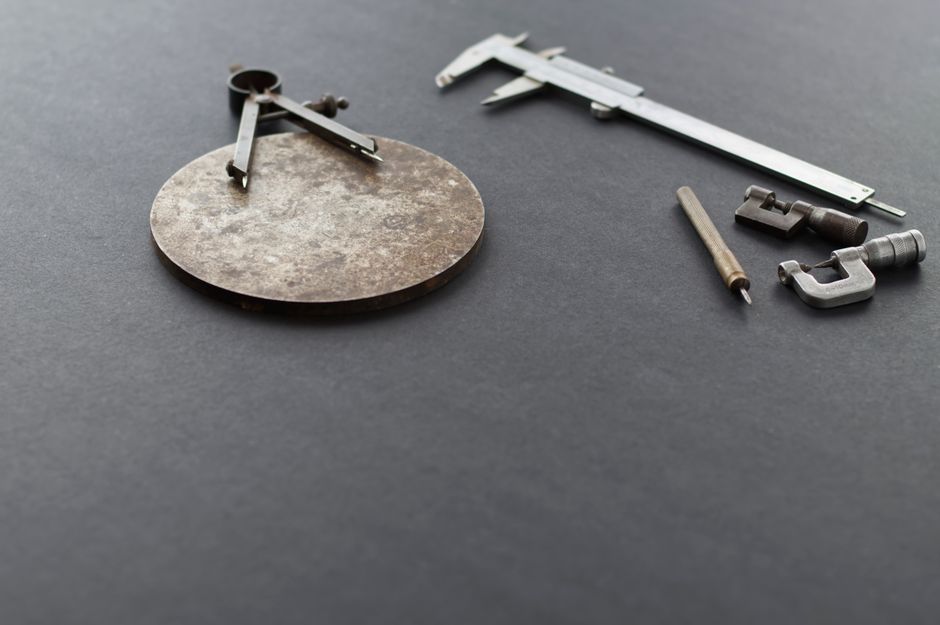
In precision manufacturing, tolerances are the invisible backbone of quality. A tolerance is the acceptable range of variation in a component's dimensions, and getting it right separates excellent manufacturers from mediocre ones.
When you specify a tolerance of ±0.05mm, you're not being pedantic—you're ensuring that every part produced will function correctly in its assembly. Too loose, and components won't fit together properly. Too tight, and production becomes impossibly expensive or wasteful.
The Cost of Getting Tolerances Wrong
We've all heard stories of expensive recalls or failed assemblies. Often, the root cause traces back to tolerance issues. If a bearing bore is machined 0.1mm larger than specified, that bearing won't stay in place. If it's 0.1mm smaller, it may crack during installation.
For UK manufacturers competing globally, tolerance precision directly impacts your reputation and bottom line. Customers expect consistency, and consistency comes from understanding and controlling tolerances.
How to Specify Tolerances Correctly
- Know your function: What will this part do? Does it need to rotate, slide, or sit stationary?
- Consider assembly: How does this part interact with others?
- Balance cost and function: Tighter tolerances cost more. Only specify what you actually need.
- Use standard systems: ISO 286 provides consistent tolerance grades recognised worldwide.
- Communicate clearly: Your drawings must leave no ambiguity for the machinist.
Modern Measurement Technology
Today's CMMs (coordinate measuring machines) and optical inspection systems can measure to microns. This capability means you can hold extraordinarily tight tolerances—but should you? The answer depends on your application and budget.
Many UK precision shops now use real-time SPC (Statistical Process Control) to monitor tolerances during production. This approach catches drift before it becomes a problem, reducing scrap and rework.
The Human Element
Technology is essential, but skilled machinists remain irreplaceable. They understand how materials behave, how tools wear, and how to adjust processes to maintain tolerances throughout a production run.
Investing in your team's training in tolerance management and metrology pays dividends. Your people are your competitive advantage.
Whether you're designing components or manufacturing them, respecting tolerances isn't bureaucracy—it's the foundation of professional engineering. Get it right, and everything else follows.